
Your first conversation with a custom-home builder should help turn a broad idea into a practical starting point. You do not need to arrive with every finish selected or a completed set of plans. A few organized details, however, can make the meeting more useful and help the builder understand the home, property, and budget you have in mind.
1. Start with what you know about the property
If you already own land, bring the property address and any documents you have, such as a survey, plat, recorded restrictions, soil information, utility details, or preliminary site plans. It is completely fine if some of these are missing. The goal is to identify what is known and what still needs to be confirmed.
A builder will also want to understand how the home may sit on the property. Photos can help show road access, existing trees, slopes, nearby homes, drainage patterns, and any structures that may need to be considered. Property-specific questions can affect the driveway, clearing, grading, utilities, foundation, and overall home placement.
If you are still searching for land, share your preferred area, acreage, commute, and must-have property features. This gives the discussion a more realistic direction before you commit to a homesite.
2. Bring inspiration—but organize it by priority
Saved photos, floor plans, and home listings are useful when they show what you like. The most helpful inspiration includes a short note explaining why you saved it. A kitchen photo may represent the cabinet layout, island size, natural light, or simply the color palette. Those are very different instructions for a builder.
Sort your ideas into three groups:
- Needs the home must include
- Strong preferences you would like to keep
- Optional features to consider if the plan and budget allow
This helps the builder protect the parts of the project that matter most while discussing alternatives for lower-priority items.
3. Describe how the household will use the home
Bedroom and bathroom counts are only the beginning. Think about daily routines. Do you work from home? Enter through the garage most days? Need storage for sports equipment, tools, or seasonal items? Host overnight guests? Prefer an open kitchen or some separation between cooking and living spaces?
Also consider how your needs could change. A first-floor bedroom, wider circulation paths, a flexible office, or space that can serve more than one purpose may be worth discussing early. These decisions are easier to incorporate while the floor plan is still being shaped.
4. Prepare a realistic budget conversation
A productive consultation requires an honest discussion of the financial range you are comfortable with. Explain whether your number is intended to cover construction only or also includes land, financing expenses, design work, site development, utilities, permits, landscaping, appliances, and other owner costs.
You do not need a perfect number at the first meeting. It is helpful to identify a comfortable target, a maximum you do not want to exceed, and the features you would protect if adjustments become necessary. This lets the builder discuss the project in the right context instead of designing beyond the intended investment.
5. Share any plans or professional work already completed
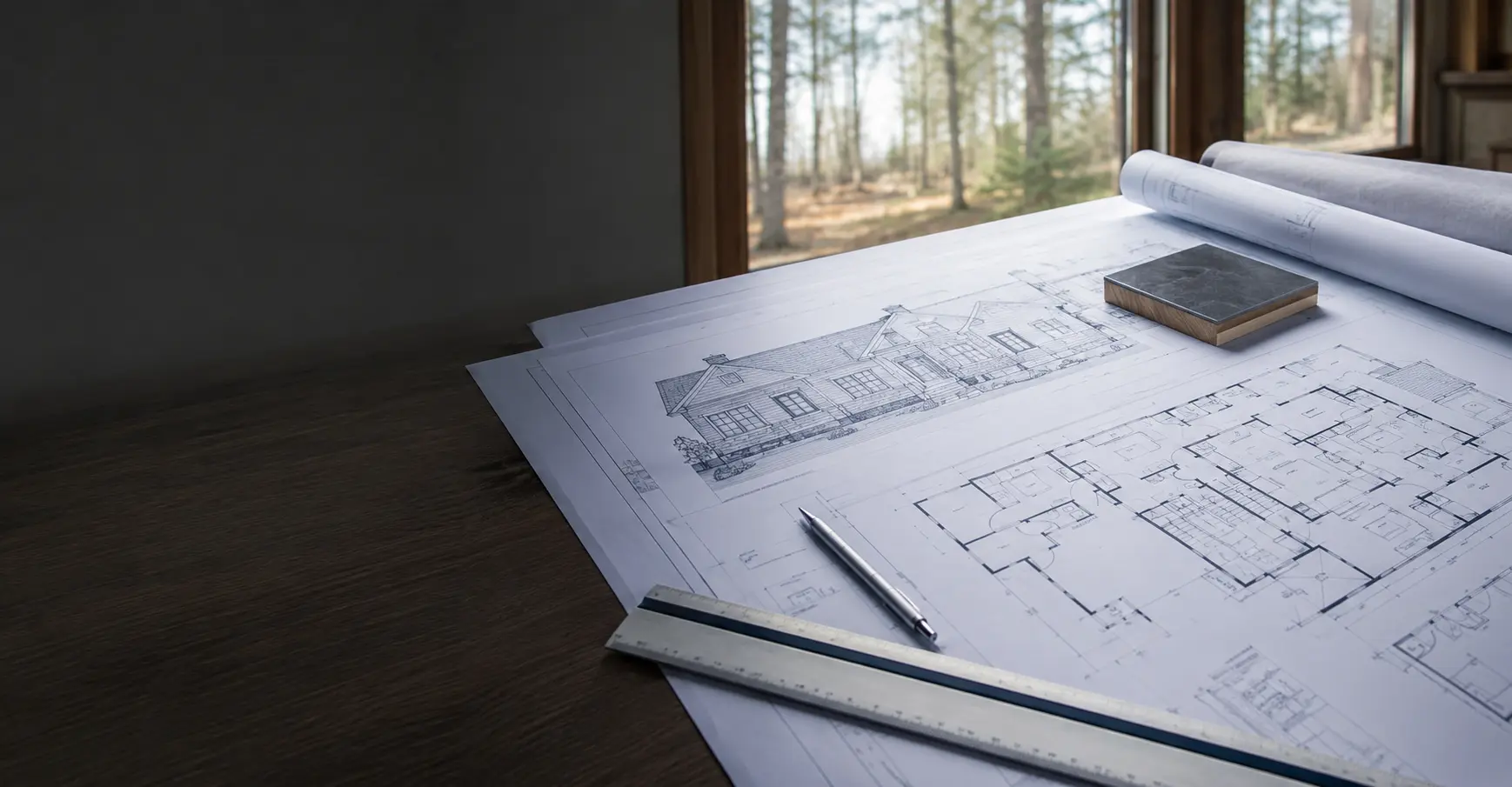
Bring concept sketches, stock plans, architectural drawings, engineering information, or written notes from earlier conversations. Tell the builder whether you own the right to use or modify any plan you provide. If the drawings are preliminary, label them that way so they are not mistaken for construction-ready documents.
When no plan exists yet, a list of desired rooms and approximate sizes is enough to begin. The builder can help identify which design and site questions need answers before pricing becomes dependable.
6. Know your preferred timing—and what may influence it
Share your ideal start date, move-in goal, and any events affecting the schedule, such as a lease ending or another home being sold. Early dates should be treated as planning goals until the property, design, selections, approvals, financing, and construction scope are sufficiently defined.
Ask what decisions must be made before construction can begin and which selections could delay ordering or field work. A clear decision schedule can be just as important as the construction schedule.
7. Bring questions for the builder
The consultation is also your opportunity to understand how the builder works. Write down your questions so the most important ones are not forgotten.
You do not need every answer before you begin
The purpose of an initial consultation is not to arrive with a finished project. It is to create a clearer path forward. Organized property information, realistic priorities, an honest budget discussion, and thoughtful questions give both you and the builder a stronger foundation for the next decision.
Sapphire Construction Corporation helps Virginia homeowners plan custom homes around their property and practical needs. Learn more about our custom-home building services or, if you already own your homesite, review our build-on-your-property process.