
Flooring affects more than the appearance of a room. It meets doors, cabinets, stairs, appliances, trim, and adjoining floors, and it has to suit the way the household lives. Before approving a color or placing an order, review the product and the installation as one complete decision.
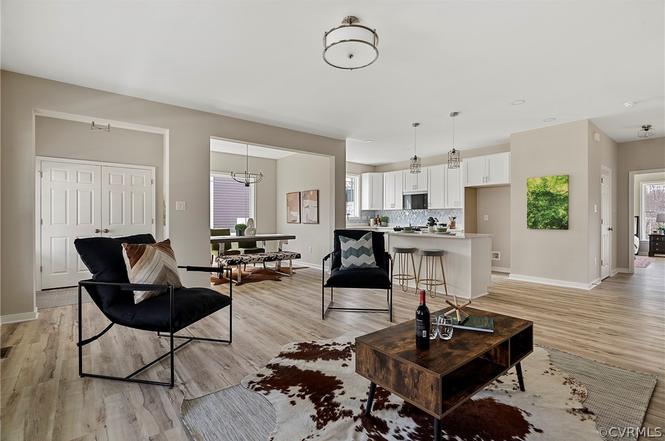
The right choice for a busy entry may not be the right choice for a bedroom or bathroom. These eight questions help homeowners organize selections before materials arrive at the jobsite.
1. What will the floor need to handle?
Consider foot traffic, pets, children, furniture, rolling chairs, dropped objects, spills, and the amount of cleaning you expect to do. Think about comfort underfoot, sound, surface texture, and whether rugs will be used.
Compare the actual products, not only broad categories such as wood, vinyl, laminate, tile, or carpet. Products within the same category can have different installation requirements, care instructions, and suitability for particular rooms.
2. What moisture conditions need to be understood?
Discuss the room's use and any history of leaks, dampness, condensation, or water intrusion. Bathrooms, laundry rooms, kitchens, entries, and spaces over or beside damp areas deserve particular attention.
Ask the installer what evaluation or testing the selected product requires. A water-related claim about a flooring surface does not resolve a leak or explain how the entire floor assembly manages moisture. Address the source of a known problem before covering it.
3. What preparation does the existing floor need?
Find out what is beneath the visible flooring and what must be removed. The supporting surface may need repair, cleaning, leveling, fastening, or another preparation step before the new product can be installed according to its instructions.
Ask which preparation is included in the proposal and which conditions can only be evaluated after removal. An attractive material price does not show the full cost of making an existing room ready for installation.
4. How will the finished height affect nearby features?
Flooring thickness, underlayment, preparation materials, and installation method all contribute to the final height. Review doors, thresholds, baseboards, cabinets, dishwashers, refrigerators, toilets, stair connections, and adjoining floors before choosing an assembly.
Confirm how transitions will look and where they will be placed. A doorway can hide a material change more naturally than the middle of an open space, but the appropriate detail depends on the products and the layout.
5. Will the material look right in the actual rooms?
Bring samples into the house and view them beside the cabinets, countertops, paint, trim, and furniture that will remain. Look at them in daylight and under the room's planned lighting. A small sample may not show the full range of color or pattern in the finished floor.
Review plank or tile size, layout direction, pattern repetition, grout where applicable, and the way the material continues through connected spaces. Ask to see enough product information to understand the expected variation.
6. How will installation fit the construction sequence?
Flooring decisions affect cabinet work, painting, trim, appliances, plumbing fixtures, and other trades. Ask when materials need to be ordered and delivered, whether storage or acclimation is required, and when rooms must be cleared.
Coordinate the installation method with fixed cabinets and equipment using the selected manufacturer's instructions. Do not assume every floor should run beneath everything, or that every product can be installed in the same sequence.
7. What does the complete installed price include?
Compare removal, disposal, preparation, material quantities, installation, underlayment, adhesives, trim, transitions, stair pieces, delivery, and moving or reconnecting affected items where applicable. Clarify who supplies each component.
Have the installer confirm quantities and ordering requirements rather than relying only on the room's square footage. Read our guide to comparing remodeling estimates if different proposals include different pieces of the work.
8. What care and repair will the product require?
Review cleaning methods, approved products, protective pads, mats, indoor conditions, and any restrictions relevant to the selection. Ask what happens if one area is damaged and whether matching replacement material is likely to be available later.
Keep the exact product name, color, item number, installation information, and purchase records. Discuss whether retaining spare material makes sense for the project and how it should be stored.
Approve the details before the order is released
A clear selection record helps the homeowner, contractor, supplier, and installer work from the same information. If an allowance was used before the product was chosen, confirm how the final selection changes the project total before authorizing the order.
- Match the product to room use and moisture conditions
- Confirm preparation and finished-height details
- Review samples with the home's other finishes
- Coordinate installation, transitions, and trade work
- Approve the full scope and product information in writing
Explore Sapphire Construction's home remodeling services in Richmond and Central Virginia, or share your existing rooms and renovation goals during a planning conversation.