
Exterior selections do more than establish a home's appearance. Siding, masonry, roofing, trim, windows, and doors must work together visually, fit the project budget, and support the homeowner's expectations for care over time. Coordinating them before orders are released helps the elevation feel intentional instead of assembled one product at a time.
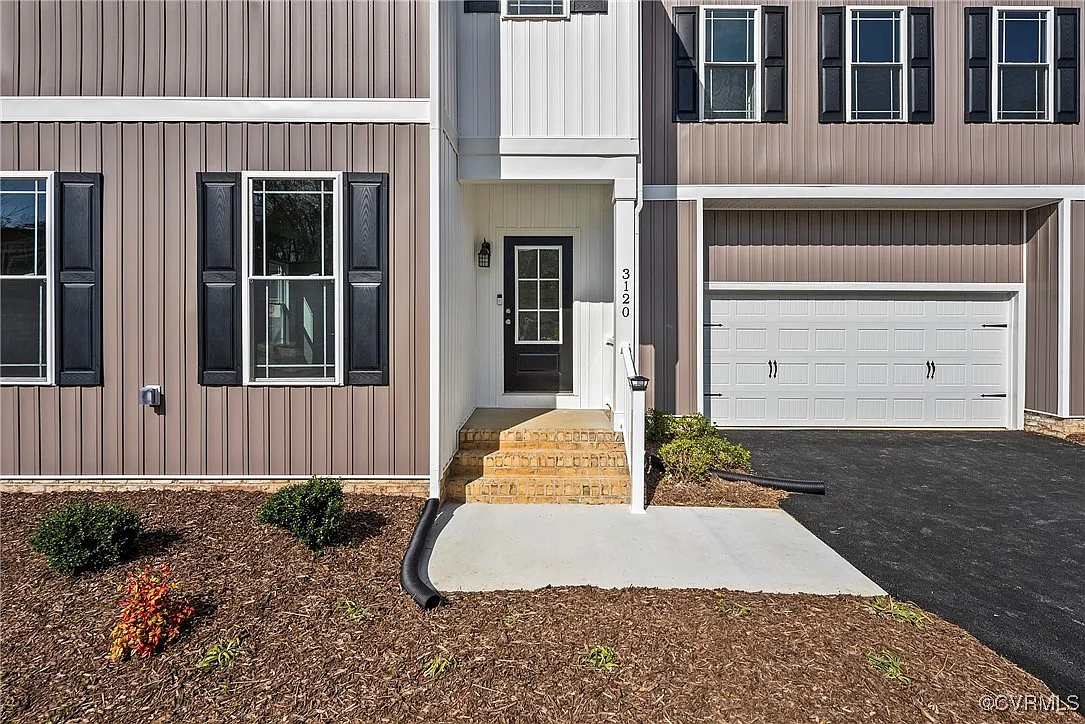
Every product has its own specifications, installation details, lead time, and maintenance considerations. Your builder, designer, suppliers, and other project professionals can help evaluate products for the specific plans and property. These eight decisions will make those conversations more productive.
1. Start with the architectural style and elevations
Before choosing colors, study the home's overall shape: rooflines, window proportions, porches, gables, foundation exposure, and the relationship between the front, sides, and rear. A material that looks attractive on a sample may not suit the scale or style of the full elevation.
Ask the designer to identify where materials begin and end and which architectural features should stand out. Clear elevations help prevent arbitrary transitions and give the builder a better reference for corners, trim bands, columns, and changes in siding direction.
2. Choose the primary wall material first
The main siding or wall material usually covers the largest area, so it should anchor the rest of the palette. Compare more than color. Discuss profile, exposure, texture, panel direction, joint layout, accessories, and how the product will meet windows, doors, soffits, foundations, and other finishes.
If more than one siding style is planned, decide what architectural purpose each one serves. A secondary texture works best when it reinforces a gable, entry, or other clear feature rather than appearing as an isolated decoration.
3. Use masonry with a clear plan
Brick or stone can add visual weight and texture, but the placement should make sense across the entire building. Review where it turns corners, ends beside siding, meets porches or steps, and relates to the visible foundation.
Look at complete sample boards or installed examples when possible. Individual pieces may contain substantial color variation, and the mortar or joint appearance can influence the finished look. Confirm the selected product, pattern, and related details in writing before ordering.
4. Coordinate the roof with permanent exterior elements
The roof is a large visual surface and is usually selected well before smaller decorative details. Compare the roof color and texture with masonry, siding, metal accents, gutters, and other long-term materials—not only with a paint swatch.
Also review how roof edges, valleys, penetrations, flashing, and drainage components appear on the elevations. These are functional parts of the exterior, and their locations or finishes can affect the final composition.
5. Treat windows, doors, and garage doors as one family
Window frame color, grille pattern, sash proportions, and trim depth influence both the interior and exterior. Compare them with the front door, secondary exterior doors, garage doors, shutters, and exterior hardware so the openings feel related.
Review every elevation rather than concentrating only on the front. Side and rear windows still need balanced placement, sensible trim, and coordination with rooms inside. Our guide to custom-home window planning covers daylight, privacy, furniture, views, and operation in more detail.
6. Build a restrained color hierarchy
A useful palette identifies a dominant body color, a trim color, and a limited number of accents. Accent colors are most effective when they draw attention to intentional features such as the entry, shutters, or a defined gable.
View samples together outdoors and at different times of day. Small chips can look different when repeated across a large wall or placed beside roofing, glass, masonry, and landscaping. Record manufacturer names, product lines, color names, and finish levels—not just informal color descriptions.
7. Discuss maintenance expectations honestly
Homeowners differ in how much routine cleaning, inspection, sealing, touch-up, or refinishing they want to manage. Ask suppliers and the project team for product-specific care information and keep it with the home records.
Consider access as well as frequency. Tall gables, upper-story trim, complex roof intersections, and detailed porches may be harder to inspect or maintain. The goal is not to eliminate care, but to select materials with a realistic understanding of what ownership will require.
8. Finalize transitions and small details before ordering
Exterior quality is often most visible where two materials meet. Review corners, trim widths, window and door surrounds, utility locations, vents, hose connections, light fixtures, address numbers, railings, and porch ceilings while the drawings and selections can still be coordinated.
Create one approved exterior-selection record that includes products, colors, profiles, quantities or scope references, and any relevant drawings. If a product changes because of availability, compare the replacement with the entire palette before approving it.
- Begin with the architecture before choosing colors
- Review every elevation, not only the front
- Compare full-size materials together outdoors
- Confirm transitions and accessories before orders
- Keep one written record of approved selections
A coordinated exterior begins with a coordinated process
The strongest exterior palettes balance architecture, materials, color, budget, and maintenance expectations. When the major products and their transitions are reviewed together, homeowners can make decisions with a clearer picture of the finished home.
Sapphire Construction works with homeowners planning custom homes and those preparing to build on their property in Richmond, Central Virginia, and surrounding communities. Bring inspiration photos and product ideas to the first conversation, and the team can help organize the next planning steps.